
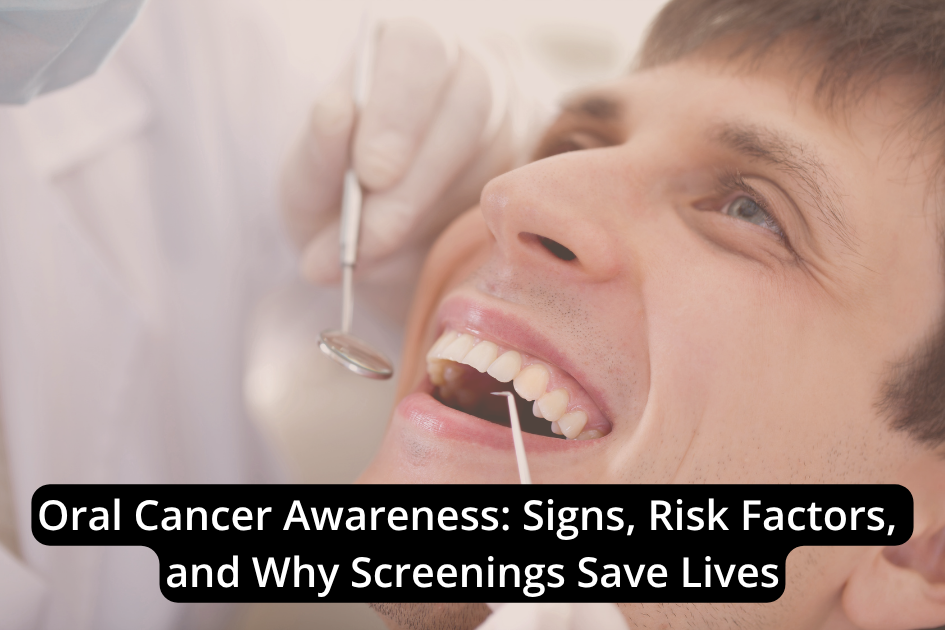
Oral cancer is a serious health concern that often goes unnoticed until it’s too late. By understanding the signs and risk factors, we can greatly improve our chances of early detection. Persistent sores, red or white patches, and difficulty swallowing are just a few symptoms to watch for. Furthermore, knowing the importance of regular screenings can make a vital difference. So, what can we do to minimize our risk and enhance awareness in our communities?
Understanding Oral Cancer and Why Awareness Matters
Oral cancer is a serious condition that can affect anyone, making awareness essential for early detection and improved outcomes. By understanding the risk factors and symptoms, we can better advocate for our health and the health of our loved ones. Together, we can emphasize the importance of regular screenings and prompt attention to any concerning changes in our oral health.
What Is Oral Cancer?
Cancer of the mouth and throat can have serious implications for overall health, making awareness essential. Oral cancer can affect various tissues, including gums, tongue, and the lining of the mouth. We must prioritize oral health through effective prevention strategies, such as understanding nutrition’s impact on risk factors. Advanced screening technologies enable early detection, which is vital for successful treatment outcomes. Community education plays a pivotal role in spreading awareness and informing individuals about symptoms. By sharing patient experiences, we can highlight the importance of regular check-ups and empower others to take proactive steps toward their oral health.
Why Oral Cancer Awareness Is Important
While many may overlook the importance of oral health, awareness of the risks associated with oral cancer is crucial for early detection and effective treatment. By fostering community engagement, we can promote educational workshops that inform individuals about the signs and symptoms of oral cancer. Access to support resources is essential for those affected, ensuring they feel empowered during their journey. We can also create volunteer opportunities to help spread awareness and organize fundraising events to support research. Together, we can build a more informed community, ultimately improving outcomes and saving lives through proactive awareness initiatives.
How Early Detection Improves Outcomes
Recognizing the signs of oral cancer early can greatly enhance treatment outcomes and improve survival rates. Early detection leads to an improved prognosis, enabling us to utilize effective screening techniques and encourage patient compliance. Through education initiatives and community outreach, we empower individuals to take personal responsibility for their health. Risk assessment is vital; understanding our risk factors helps in proactive screening. We also emphasize the importance of support resources and share survivor stories to inspire others. By fostering awareness and early detection, we can collectively make a significant impact in combating oral cancer and enhancing lives.
Common Signs and Symptoms of Oral Cancer
As we discuss oral cancer, it’s essential to recognize the common signs and symptoms that may indicate a problem. Persistent mouth sores, red or white patches, and lumps can all signal potential issues we shouldn’t ignore. Additionally, difficulty chewing or unexplained numbness warrants prompt attention from a healthcare professional.
Persistent Mouth Sores or Ulcers
Persistent mouth sores or ulcers can signal serious health concerns, including oral cancer, and it’s essential for us to stay vigilant. These sores often cause persistent discomfort and may not heal within two weeks. Maintaining good oral hygiene is vital, as poor practices can exacerbate issues. Our lifestyle choices, such as tobacco use and excessive alcohol consumption, greatly impact oral health. Additionally, dietary impacts, including a lack of vitamins, can contribute to the development of these sores. Early intervention is key; if we notice any persistent sores, seeking professional evaluation can lead to timely diagnosis and treatment.
Red or White Patches in the Mouth
Red or white patches in the mouth can be early indicators of oral cancer, signaling the need for immediate attention. Maintaining good oral hygiene and making lifestyle changes can help mitigate risks. We must recognize the diet’s impact on cancer prevention and remain vigilant during dental visits. Education’s importance cannot be overstated; awareness of these signs can save lives. Community outreach programs play an essential role in spreading this knowledge while offering emotional support and patient resources. If we notice these patches, let’s consult our dental professionals promptly for evaluation and guidance. Together, we can promote oral health and awareness.
Lumps, Thickened Tissue, or Swelling
When we notice lumps, thickened tissue, or swelling in the oral cavity, it’s essential to recognize these as potential warning signs of oral cancer. Lump detection is vital, as these tissue abnormalities can indicate serious concerns. Thickened tissue concerns may arise from various factors, but persistent changes should never be ignored. Swelling implications often suggest inflammation or an underlying issue that merits further investigation. By monitoring our oral health and addressing these symptoms promptly, we can take proactive steps towards early diagnosis and treatment. Awareness of these signs empowers us to advocate for our well-being and seek necessary care.
Difficulty Chewing, Swallowing, or Speaking
Addressing lumps, thickened tissue, or swelling in the oral cavity naturally leads us to contemplate other common symptoms that may indicate oral cancer, including difficulty chewing, swallowing, or speaking. These challenges can greatly affect our nutritional intake, leading to weight loss and malnutrition. Furthermore, speech challenges may hinder communication, impacting our social interactions and mental well-being. The psychological effects can be profound, contributing to anxiety or depression. It’s essential to recognize these signs early, as various treatment options, including surgery, radiation, or speech therapy, may alleviate symptoms and improve quality of life. Early intervention truly makes a difference.
Unexplained Bleeding or Numbness
Unexplained bleeding or numbness in the oral cavity can be alarming and may signal underlying health issues, including oral cancer. We should remain vigilant about unexplained numbness, especially if it accompanies sudden weight loss or persistent changes in our oral health. If we notice these symptoms, it’s important to assess our oral hygiene habits and consider necessary lifestyle modifications. Early detection is key; these signs might indicate a more serious condition that requires professional evaluation. Ignoring them could delay diagnosis and treatment, making regular dental check-ups essential for maintaining our overall health. Let’s prioritize our well-being and seek help when needed.
Changes in Voice or Chronic Sore Throat
Changes in voice or a chronic sore throat can signal underlying issues, including oral cancer. We should be vigilant about voice changes, which may indicate throat discomfort or persistent coughing. If we notice speech difficulties or experience swallowing issues, it’s essential to consult a healthcare professional. These symptoms, especially when lasting longer than two weeks, can signify serious conditions. Early detection is key to effective treatment, so don’t ignore these warning signs. By staying informed and proactive, we can better protect our health and potentially save lives through timely screenings and interventions.
Key Risk Factors for Oral Cancer
As we examine oral cancer, it’s essential to recognize the key risk factors that contribute to its development. Tobacco and alcohol use, along with HPV infection, greatly increase our risk, while factors like sun exposure and poor oral hygiene also play a role. Additionally, age, genetics, and medical history further influence our vulnerability to this serious condition.
Tobacco and Alcohol Use
While we often enjoy social gatherings where tobacco and alcohol might be present, it’s essential to recognize their notable roles as key risk factors for oral cancer. Tobacco use, whether smoking or chewing, dramatically increases our risk, while excessive alcohol consumption compounds this danger. Engaging in tobacco cessation and alcohol moderation can markedly decrease our likelihood of developing oral cancer. Through health education and community outreach, we can promote essential lifestyle changes that support healthier choices. By prioritizing these steps, we not only protect ourselves but also encourage those around us to make informed decisions that enhance overall well-being.
Human Papillomavirus (HPV)
Human Papillomavirus (HPV) greatly contributes to the risk of developing oral cancer, making it essential for us to understand its implications. HPV transmission methods primarily include sexual contact, and studies show that nearly 70% of oropharyngeal cancers are linked to this virus. The HPV vaccination benefits are significant, reducing the risk of HPV-related cancers. An HPV statistics overview reveals a rising incidence, especially in younger populations. We must prioritize HPV and oral health through proactive HPV prevention strategies, including vaccination and regular screenings. By staying informed, we can better protect ourselves and our loved ones from this serious health threat.
Sun Exposure and Lip Cancer
Sun exposure poses a significant risk factor for lip cancer, making it essential for everyone to be aware of its implications. UV exposure can damage the skin on our lips, increasing the likelihood of developing cancerous lesions. To promote sun safety, we must prioritize lip protection by using sunscreen specifically designed for the lips or wearing protective lip balms. Dermatology insights suggest that outdoor precautions, such as wearing hats or seeking shade, are crucial in minimizing risk. By understanding these factors, we empower ourselves to take proactive steps in safeguarding our oral health against the dangers of lip cancer.
Poor Oral Hygiene and Diet
Understanding the risks associated with lip cancer leads us to reflect on other significant factors impacting oral health, such as poor oral hygiene and diet. Poor oral hygiene can foster harmful bacteria, increasing the risk of oral cancer. Meanwhile, a balanced diet plays an essential role in our overall nutrition impact; deficiencies in essential nutrients can weaken our immune system, making us more susceptible to diseases, including cancer. By prioritizing dental care and making informed lifestyle choices, we can mitigate these risks. Regular dental visits and a nutritious diet are important steps in protecting our oral health and reducing cancer risks.
Age, Genetics, and Medical History
While considering the key risk factors for oral cancer, age, genetics, and medical history play crucial roles. Age-related factors increase our vulnerability, as the risk rises considerably after 45. Genetic predisposition can heighten our likelihood of developing this disease, especially if we have a family history of cancer. Additionally, certain medical conditions, like HPV infection, are linked to oral cancer. Lifestyle influences, such as tobacco use and excessive alcohol consumption, further compound these risks. By understanding these factors, we can take proactive steps in our health management and prioritize regular screenings to catch potential issues early.
The Importance of Oral Cancer Screenings
Oral cancer screenings are essential in identifying early signs of the disease, enabling timely intervention. We should aim for regular screenings, as dentists look for specific abnormalities that could indicate cancer. By prioritizing these exams, we can greatly increase the chances of successful treatment and save lives.
What Happens During an Oral Cancer Screening
When we conduct an oral cancer screening, we aim to identify early signs of potential issues that could lead to serious health concerns. We begin by reviewing your oral hygiene practices and discussing any risk factors, such as tobacco use or HPV. Using advanced screening techniques, we thoroughly examine your mouth, including soft tissues and lymph nodes. Throughout the process, we emphasize patient education, helping you understand the importance of early detection and routine check-ups. By catching abnormalities early, we increase the chances of successful treatment, ultimately protecting your overall health and well-being. Your proactive approach is essential.
How Often You Should Get Screened
Regular screenings play an essential role in maintaining oral health and catching potential issues early. We should consider our screening frequency based on individual risk factors and overall health. By prioritizing these screenings, we can enhance patient education and leverage advanced dental technology.
- Early detection can save lives.
- Staying informed empowers our community.
- Regular check-ups build trust with our dental team.
Community outreach initiatives can help increase awareness and accessibility. Together, we can assess our risks and commit to proactive care. Let’s make oral cancer screenings a crucial part of our health routine.
Why Screenings Can Save Lives
Screenings for oral cancer are vital not only for early detection but also for improving treatment outcomes. Regular screenings provide significant screening benefits by identifying abnormalities before they progress. Early detection allows us to implement effective treatment strategies promptly, enhancing survival rates. Risk assessment during these visits helps us understand individual vulnerabilities, facilitating tailored prevention plans. Additionally, patient education during screenings empowers us to make informed decisions about our health. Through community outreach, we can raise awareness and encourage participation in screenings, fostering a proactive approach to oral health that ultimately saves lives. Let’s prioritize these essential steps together.
What Dentists Look for During Exams
During our exams, we meticulously inspect the oral cavity for signs of abnormalities that could indicate oral cancer. Our screening techniques include visual inspections and advanced dental technology, ensuring thorough risk assessment. We prioritize patient education to empower you to recognize potential issues.
We look for:
- Unexplained lumps or swellings
- Persistent sores that don’t heal
- Changes in voice or difficulty swallowing
Identifying these signs early enhances treatment options and improves outcomes. By being proactive, we can work together to safeguard your health and well-being, ensuring every smile remains bright and healthy.
How to Lower Your Risk of Oral Cancer

To lower our risk of oral cancer, we can adopt several proactive lifestyle changes. Protecting our lips from sun damage, maintaining good oral hygiene, and scheduling regular dental visits are essential steps we can take. By staying vigilant and informed, we can greatly improve our oral health and reduce our risk.
Lifestyle Changes That Make a Difference
While many factors contribute to oral cancer risk, making informed lifestyle changes can greatly lower that risk. We can all take steps to enhance our health and reduce our chances of developing oral cancer:
- Improve nutrition: Focus on a balanced diet rich in fruits and vegetables to maximize nutrition impact.
- Engage in regular exercise: Consistent physical activity offers numerous exercise benefits, including stronger immunity.
- Prioritize stress management and sleep hygiene: Reducing stress and ensuring adequate sleep can greatly enhance overall well-being.
Protecting Your Lips from Sun Damage
Although we often focus on protecting our skin from sun damage, our lips deserve equal attention, as they are vulnerable to harmful UV rays that can increase the risk of oral cancer. To guarantee sun safety, we should regularly apply a lip balm with SPF for effective UV protection, especially during outdoor activities. Choosing a balm enriched with antioxidants can further improve our skin health. Staying mindful about reapplying after eating or swimming is also essential. By taking these simple steps, we can notably lower our risk and keep our lips healthy and protected from the sun’s damaging effects.
Maintaining Good Oral Hygiene
Protecting our lips from sun damage is just one part of a thorough approach to oral health. To lower our risk of oral cancer, we must prioritize good oral hygiene and adopt healthy habits. Here are key practices we can incorporate into our daily routines:
- Use quality dental products that promote oral care.
- Establish consistent hygiene routines, including brushing and flossing.
- Limit tobacco and alcohol intake, which greatly impact oral health.
Regular Dental Visits and Monitoring
To effectively lower our risk of oral cancer, regular dental visits and monitoring play an important role. By scheduling regular check-ups, we guarantee that our dental professionals can identify potential issues early. Early intervention is vital, as it greatly improves outcomes. Patient education during these visits enhances our understanding of risk awareness, empowering us to make informed choices about our oral health. Additionally, discussing screening frequency with our dentist can help tailor a plan that suits our individual needs. Together, these proactive measures can greatly reduce our chances of developing oral cancer and promote overall well-being.
When to See a Dentist or Doctor
When it comes to oral cancer, recognizing warning signs is essential for early intervention. If we notice persistent symptoms, such as sores that don’t heal or unexplained lumps, we shouldn’t hesitate to seek professional advice. Acting early can markedly improve outcomes, so let’s stay vigilant about our oral health.
Warning Signs You Should Not Ignore
How can we guarantee our oral health remains a priority? Recognizing warning signs is essential. We should never ignore:
- Persistent pain or discomfort in the mouth
- Unexplained lumps or sores lasting more than two weeks
- Changes in our ability to chew or swallow
These symptoms emphasize the importance of oral hygiene and highlight dietary choices’ impact. Factors like genetic predisposition can elevate risk, but lifestyle modifications offer benefits. Participating in community outreach initiatives can also raise awareness. By staying vigilant and proactive, we can safeguard our health and encourage others to prioritize their oral well-being.
How Long Should Symptoms Last Before Concern
What symptoms should prompt us to seek dental or medical attention? If we experience persistent symptoms like mouth sores, difficulty swallowing, or unexplained lumps lasting longer than two weeks, we should take these as early warning signs. Symptom duration is critical; lasting issues often indicate underlying oral health concerns. Additionally, lifestyle factors like tobacco use or heavy alcohol consumption heighten our risk. For effective cancer prevention, addressing symptoms early is essential. Ignoring persistent signs can delay diagnosis and treatment, potentially worsening outcomes. Let’s prioritize our health and consult a professional when symptoms linger beyond the two-week mark.
Importance of Acting Early
Persistent symptoms like mouth sores or difficulty swallowing signal potential oral health issues that shouldn’t be overlooked. Early intervention strategies are essential for effective treatment. We must act promptly to improve outcomes.
- Ignoring warning signs can delay diagnosis.
- Community outreach programs enhance awareness.
- Patient education initiatives empower us to take charge of our health.
When we notice changes, let’s consult our dentist or doctor. They can provide lifestyle modification tips and connect us to caregiver support resources. Together, we can prioritize our oral health and increase our chances of successful treatment.
How Spring Dental Supports Oral Cancer Awareness in Round Rock
At Spring Dental, we prioritize oral cancer awareness through routine screenings during dental exams, ensuring early detection. We’re committed to patient education and preventive care, empowering you with the knowledge to maintain oral health. Our thorough evaluations provide a comfortable experience while addressing any concerns related to oral cancer.
Routine Screenings During Dental Exams
Routine screenings during dental exams play an essential role in promoting oral cancer awareness, and at Spring Dental, we prioritize these crucial evaluations to safeguard our patients’ health. Through our commitment to patient education and advanced dental technology, we guarantee early detection and intervention.
We also focus on:
- Nutrition impact: Understanding how diet influences oral health.
- Lifestyle modifications: Encouraging habits that reduce risk factors.
- Community outreach: Raising awareness about oral cancer prevention.
Together, we can build a healthier community and empower our patients to take proactive steps in their oral health journey.
Patient Education and Preventive Care
While we prioritize patient comfort and care at Spring Dental, our commitment to oral cancer awareness is equally essential. We implement patient empowerment strategies to educate individuals about oral health and cancer risks. Through community awareness initiatives, we distribute resources that highlight the importance of early detection. By utilizing advanced technology in screenings, we guarantee thorough evaluations. We also emphasize nutrition’s role in oral health, helping patients understand its significance. Additionally, we provide support resources available for those affected by oral cancer, fostering a network of care that extends beyond the dental chair. Together, we can make a difference.
Comfortable and Thorough Evaluations
To enhance oral cancer awareness, we prioritize comfortable and extensive evaluations at Spring Dental. Our commitment to patient comfort guarantees that every visit is stress-free and focused on your health. Using advanced dental technology, we provide personalized care tailored to your needs.
We believe in:
- Offering diverse treatment options for early detection
- Securing thorough follow-up visits for ongoing support
- Creating a welcoming environment for every patient
These elements empower us to conduct extensive evaluations, helping identify potential issues early and fostering a proactive approach to oral cancer prevention. Your health is our priority.
Conclusion
Ultimately, together we can illuminate the path to oral cancer awareness, much like a lighthouse guiding ships to safety. By recognizing the signs, understanding risk factors, and prioritizing screenings, we empower ourselves and our communities. We’re not just fighting a disease; we’re reclaiming our health. Let’s take proactive steps to guarantee that early detection becomes the norm, not the exception. After all, in the battle against oral cancer, knowledge truly is our strongest weapon.
If it has been a while since your last exam, now is the time to take action. Schedule your visit with Spring Dental in Round Rock, TX, and include an oral cancer screening as part of your preventive care. Your health is worth it.