
By coincidence, many of us notice tooth twinges just as temperatures drop, and it’s not in our heads. Cold air and icy drinks can expose sensitive dentin, irritate nerves, and even stress enamel through rapid temperature shifts. Existing decay, gum recession, or worn fillings make it worse. We’ll explain quick relief, how to spot sinus pain masquerading as a toothache, and when to call your dentist, plus what to do now so winter doesn’t catch your smile off guard.
Why Cold Weather Makes Teeth Hurt
When temperatures drop, exposed dentin and inflamed nerve tissues become more reactive, which can make teeth ache or zing with cold air. We feel cold sensitivity because temperature changes cause fluid shifts within dentinal tubules, triggering nerve fibers. Enamel thinning, gum recession, microcracks, and recent whitening can heighten dental discomfort. Breathing cold air or sipping chilled drinks rapidly cools tooth surfaces; the resulting thermal stress can transiently irritate the pulp. Existing issues, decay, worn fillings, clenching, or sinus inflammation, can amplify signals. Medications that cause dry mouth may reduce protective saliva, increasing sensitivity. We assess triggers, identify pathology, and tailor evidence-based care.
Quick Relief for Cold-Weather Tooth Pain
Suddenly zapped by cold air or an iced drink? For quick relief, let’s use evidence-based pain management. Gently rinse with warm (not hot) salt water to reduce inflammation. Apply a thin layer of desensitizing toothpaste with a fingertip; don’t rinse for 30 minutes. Take an NSAID if you can safely do so. Avoid clenching, and use a warm compress on the jaw to relax muscles. Short-term home remedies include a soft-bristled brush, fluoridated toothpaste, and wax to cover exposed edges. If pain persists, worsens, or wakes you at night, contact us. We’ll assess for cracks, recession, decay, or bite issues promptly.
Cold-Weather Triggers: Air, Drinks, and Sweets
Although winter feels harmless, cold air, icy drinks, and sugary treats can trigger dentin hypersensitivity and inflammation in vulnerable teeth. When temperatures drop, exposed dentin tubules transmit thermal changes quickly to the pulp, producing sharp pain. Cold drinks intensify fluid shifts within tubules; even brief sips can provoke discomfort. Sweet treats lower oral pH, demineralize enamel, and sensitize roots, especially around gum recession. Rapid breathing through the mouth during outdoor workouts delivers cold air directly to sensitive areas. We recommend sipping through a straw, choosing room-temperature options, and rinsing with water after sweets. If pain persists, schedule a professional evaluation.

How Cold Creates Enamel Microcracks
Cold sensitivity doesn’t just sting; it can stress enamel enough to form microscopic cracks. When we expose teeth to rapid temperature swings, icy air after hot coffee, enamel and dentin expand and contract at different rates. That mismatch creates shear forces that propagate microcracks, especially near existing wear facets and restorations.
Over time, repeated cycles amplify temperature sensitivity, allow fluid shifts in dentinal tubules, and compromise enamel health. We can reduce risk by sipping lukewarm water between extremes, using a high-fluoride toothpaste, and wearing a nightguard if we clench. Addressing acidic erosion, replacing leaking fillings, and treating gum recession also stabilizes the tooth structure under winter stress.
Sinus Pressure vs. Tooth Pain in Winter
Ever wonder if that throbbing upper tooth is actually a sinus issue? In winter, sinus pressure can inflame the maxillary sinus, which shares nerve pathways with upper molars, mimicking dental pain. We differentiate by pattern: sinus-related aches often affect multiple upper teeth, worsen when bending forward, and improve with decongestion. True tooth pain localizes to one tooth, triggers with biting, cold, or heat, and may persist at night. Brief tooth sensitivity to cold air suggests exposed dentin; lingering pain suggests pulpal inflammation. If symptoms blur, we’ll examine, percuss, test thermal response, and take imaging to confirm the source and treat appropriately.
Dry Winter Mouth: Gum Inflammation and Cavity Risk
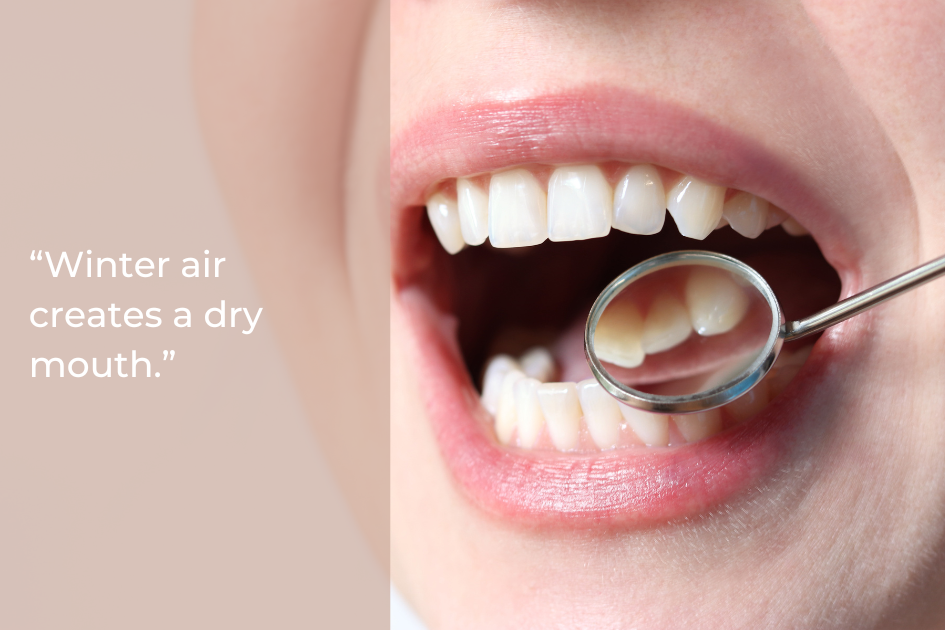
While sinus pressure can masquerade as tooth pain, winter air creates another problem: a dry mouth that irritates gums and raises cavity risk. Heated indoor environments lower humidity and reduce saliva, our natural buffer against acids and bacteria. With less saliva, plaque acids persist, enamel demineralizes faster, and gum tissue becomes inflamed. We can support gum health by hydrating, limiting alcohol and caffeine, breathing through the nose, and using sugar-free xylitol gum to stimulate saliva. Fluoride toothpaste and nightly flossing strengthen enamel and disrupt plaque. A humidifier and saliva substitutes help persistent dryness. Monitor bleeding gums and sensitivity during winter.
When to Call Your Dentist
Suddenly notice tooth pain that lingers in the cold, gum swelling, or a cracked filling? We should treat these as potential dental emergencies. Call us promptly if tooth sensitivity persists after the cold stimulus is gone, pain wakes you at night, or you see pus, fever, or facial swelling. Contact us for chipped or broken teeth, loose crowns, or a lost filling, especially if sharp edges or temperature changes trigger pain. Seek urgent care after trauma, numbness, or bleeding that won’t stop. Early evaluation lets us prevent infection, protect tooth structure, and relieve symptoms before small problems become complicated.
Winter-Ready Care at Spring Dental in Round Rock
If cold-triggered pain or damaged restorations need prompt attention, we’re ready with winter-focused care to keep your teeth comfortable and protected. At Spring Dental in Round Rock, we prioritize winter dental care with precise diagnostics, thermal testing, CBCT imaging, and bite analysis to identify sensitivity, cracked enamel, or failing fillings and crowns. We stabilize issues using desensitizing agents, bonded repairs, laser therapy for gums, and custom night guards.
With Dr. Erica Chang’s patient-centered approach, IV sedation when appropriate, and evidence-based protocols, we manage seasonal oral health risks effectively. We also review hygiene, fluoride options, and diet adjustments, then schedule follow-ups to guarantee stable, pain-free function.
Conclusion
Let’s not let winter turn our teeth into tiny tuning forks. When icy air, frosty drinks, and sugary treats collide, sensitivity can skyrocket, enamel can form hairline microcracks, and dry-mouth bacteria can party like it’s arctic midnight. We can outsmart it: desensitizing toothpaste, fluoride, gentle brushing, warm (not hot) rinses, and hydration. If pain lingers, radiates, or feels sinus-driven, we’ll evaluate promptly. Bundle up your smile, schedule a winter-ready checkup at Spring Dental in Round Rock today.